What is SEO?
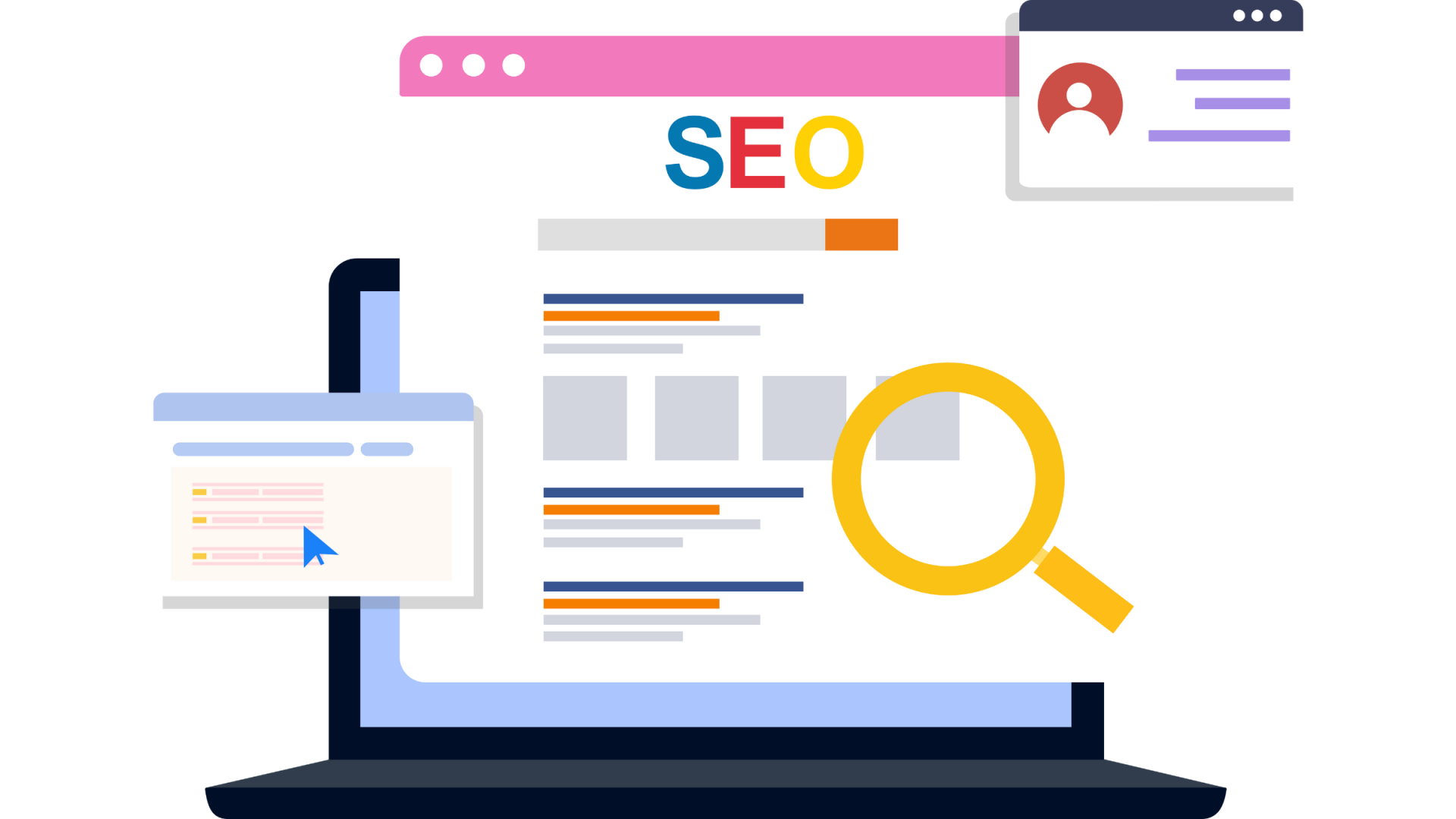
SEO stands for Search Engine Optimisation. It is the practice of optimising your website and its content to improve its visibility and ranking on search engine results pages (SERPs). In simple terms, SEO helps search engines understand what your website is about and determines its relevance to specific search queries.
There are various components and strategies involved in SEO, all aimed at increasing your website's organic (non-paid) visibility on search engines. These components include keyword research, on-page optimisation, off-page optimisation, and technical SEO considerations.

Why is SEO important?
SEO is essential for several reasons. First, it helps your website rank higher on search engine results pages, increasing your chances of attracting organic traffic. Second, SEO improves the user experience on your website by optimising its structure, navigation, and content. Third, it helps build credibility and trust with search engines and users, as a well-optimised website is seen as more authoritative.
By implementing effective SEO strategies, you can drive targeted traffic to your website, increase brand awareness, and ultimately, generate higher conversion rates and revenue. SEO is a long-term investment that yields sustainable results, making it an integral part of any digital marketing strategy.
How search engines work
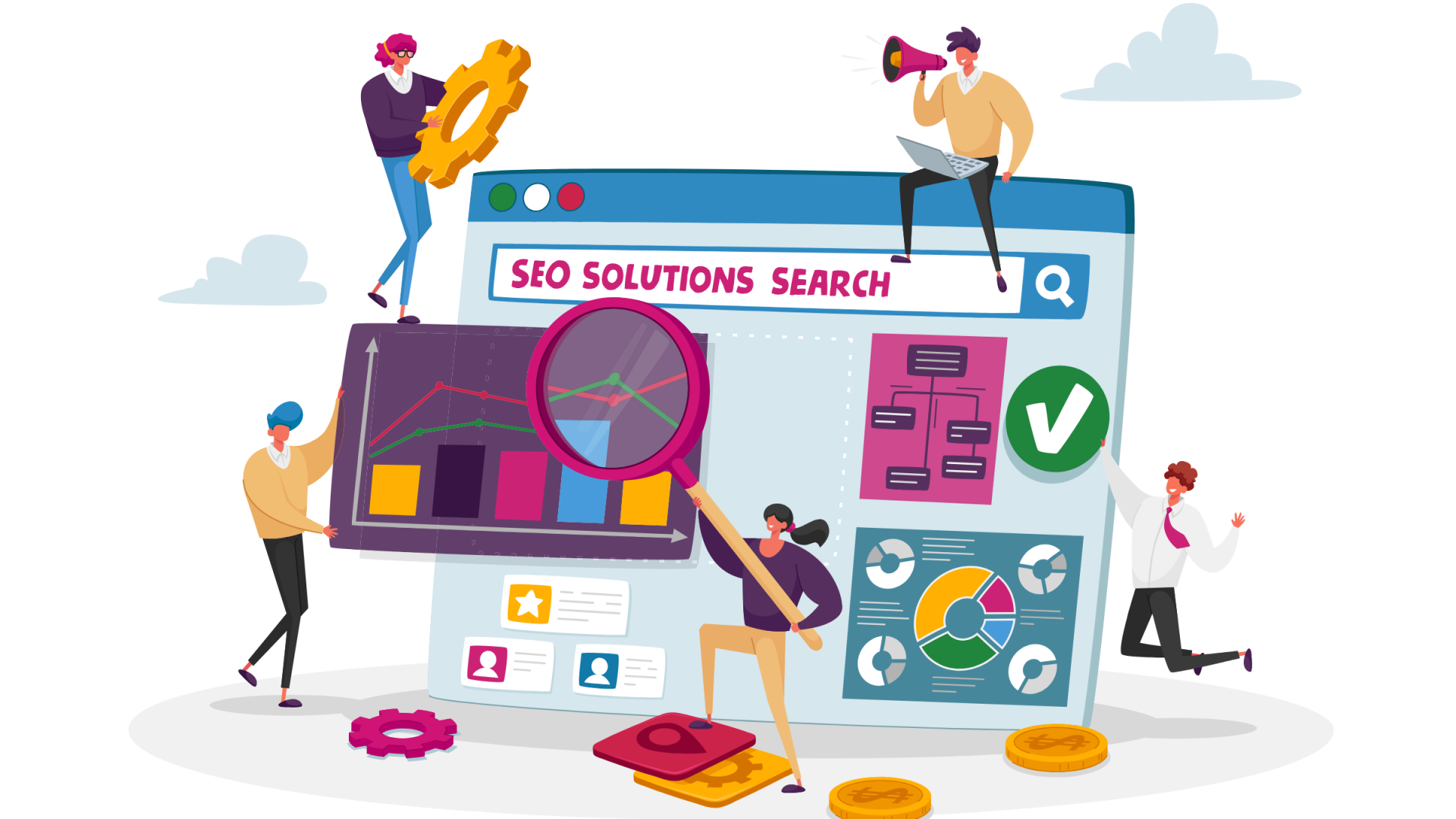
To understand SEO, it's important to grasp how search engines work. When a user enters a search query, search engines like Google and Bing employ complex algorithms to deliver the most relevant and high-quality results. These algorithms consider various factors, such as keyword relevance, website authority, and user experience.
Search engines use crawlers, also known as spiders or bots, to discover and index web pages. These bots follow links from one page to another, collecting data about the content and structure of each page. The indexed pages are then ranked based on their relevance to specific search queries. Understanding how search engines work allows SEO professionals to optimise websites effectively and improve their chances of ranking higher in search results.
Key components of SEO
SEO comprises several key components that work together to improve your website's visibility. These components include keyword research and optimisation, on-page optimisation techniques, off-page optimisation techniques, and technical SEO considerations.
Measuring SEO success
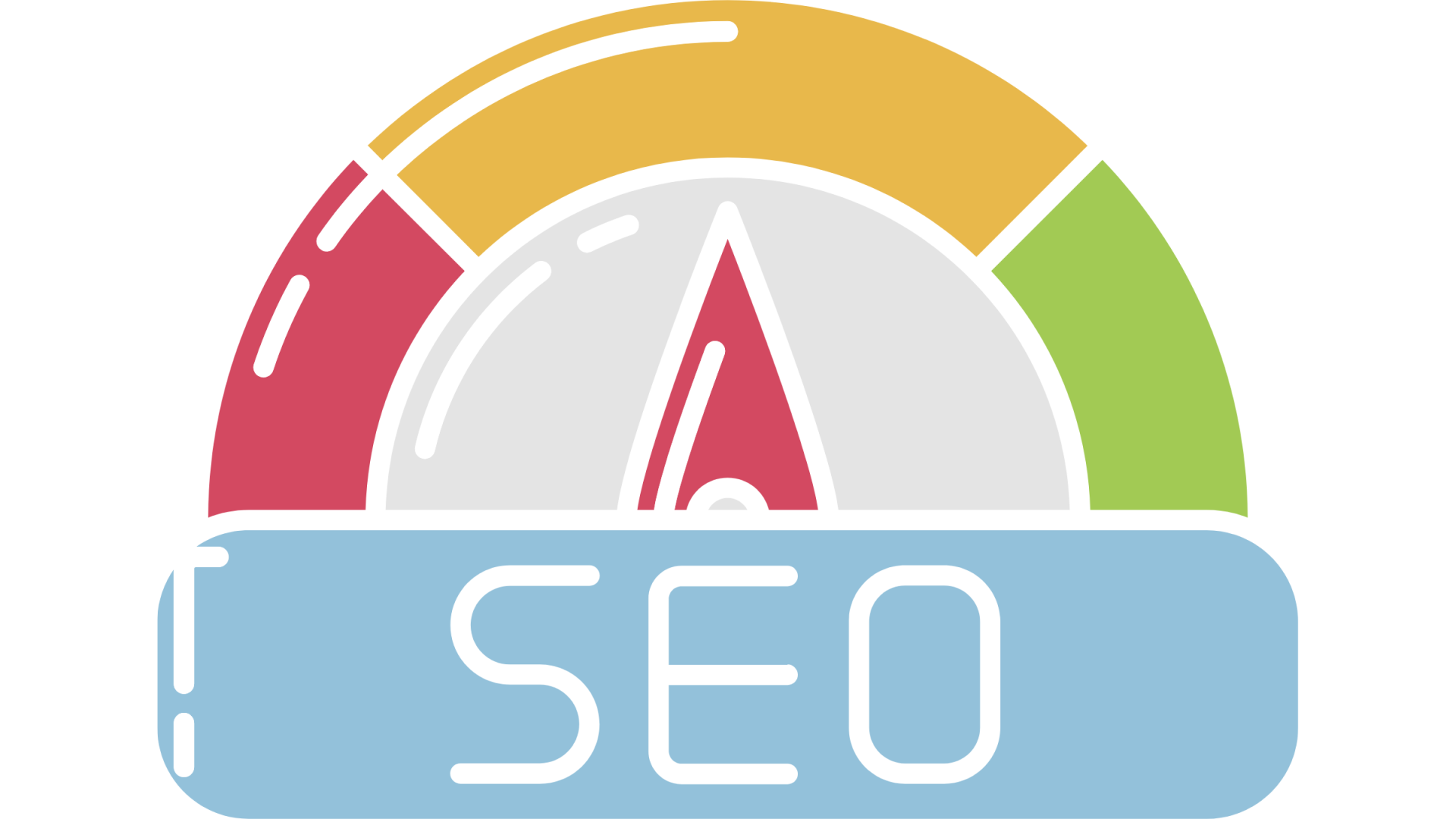
Measuring the success of your SEO efforts is crucial to understand the effectiveness of your strategies and make data-driven decisions. There are several key metrics and tools that can help you track and measure SEO success.
One of the primary metrics is organic traffic, which refers to the number of visitors that come to your website through organic search results. Google Analytics is a powerful tool that provides valuable insights into your website's traffic sources, including organic traffic.
Another important metric is keyword rankings. Monitoring your website's rankings for target keywords allows you to assess the impact of your SEO efforts and identify areas for improvement. Tools like SEMrush and Moz can help you track keyword rankings and analyse your website's performance.
Other metrics to consider include click-through rates (CTR), bounce rate, conversion rate, and the number of backlinks acquired. By regularly monitoring these metrics, you can gain valuable insights into the effectiveness of your SEO strategies and make necessary adjustments.
Conclusion

Navigating the digital landscape and understanding the basics of SEO is essential for businesses and marketers alike. By mastering the foundational elements of SEO, including keyword research, on-page optimisation, and off-page optimisation, you can improve your website's visibility, attract organic traffic, and increase your chances of converting visitors into loyal customers.
Remember, SEO is a continuous process that requires consistent effort and adaptation to stay ahead of the competition. By staying up-to-date with the latest SEO trends and best practices, you can maximise your website's potential and achieve long-term success in the digital landscape.
So, whether you're a business owner looking to enhance your online presence or a marketing enthusiast eager to expand your knowledge, embrace the power of SEO and unlock the endless possibilities of the digital landscape. Start optimising your website today and watch your online visibility soar.
Courses

526/368 Sussex St, Sydney NSW 2000
WhatsApp/Call: +61 452 681 801
Student Support Contact: 08 9589 9504
WhatsApp/Call: +61 452 681 801
Student Support Contact: 08 9589 9504
Email: student.support@obelisktraining.edu.au
Created with