
Understanding Ransomware: Then and Now
How Ransomware Is Evolving Today
Ransomware-as-a-Service (RaaS)
One of the most significant developments in ransomware is the emergence of Ransomware-as-a-Service (RaaS). This business model allows even non-technical cybercriminals to carry out ransomware attacks by purchasing ready-made ransomware kits from dark web marketplaces.
Ease of Use: RaaS platforms often include user-friendly interfaces and customer support.
Profit Sharing: Developers take a cut of the profits, creating a lucrative ecosystem for cybercriminals.
Proliferation: The availability of RaaS has significantly increased the number of ransomware attacks worldwide.
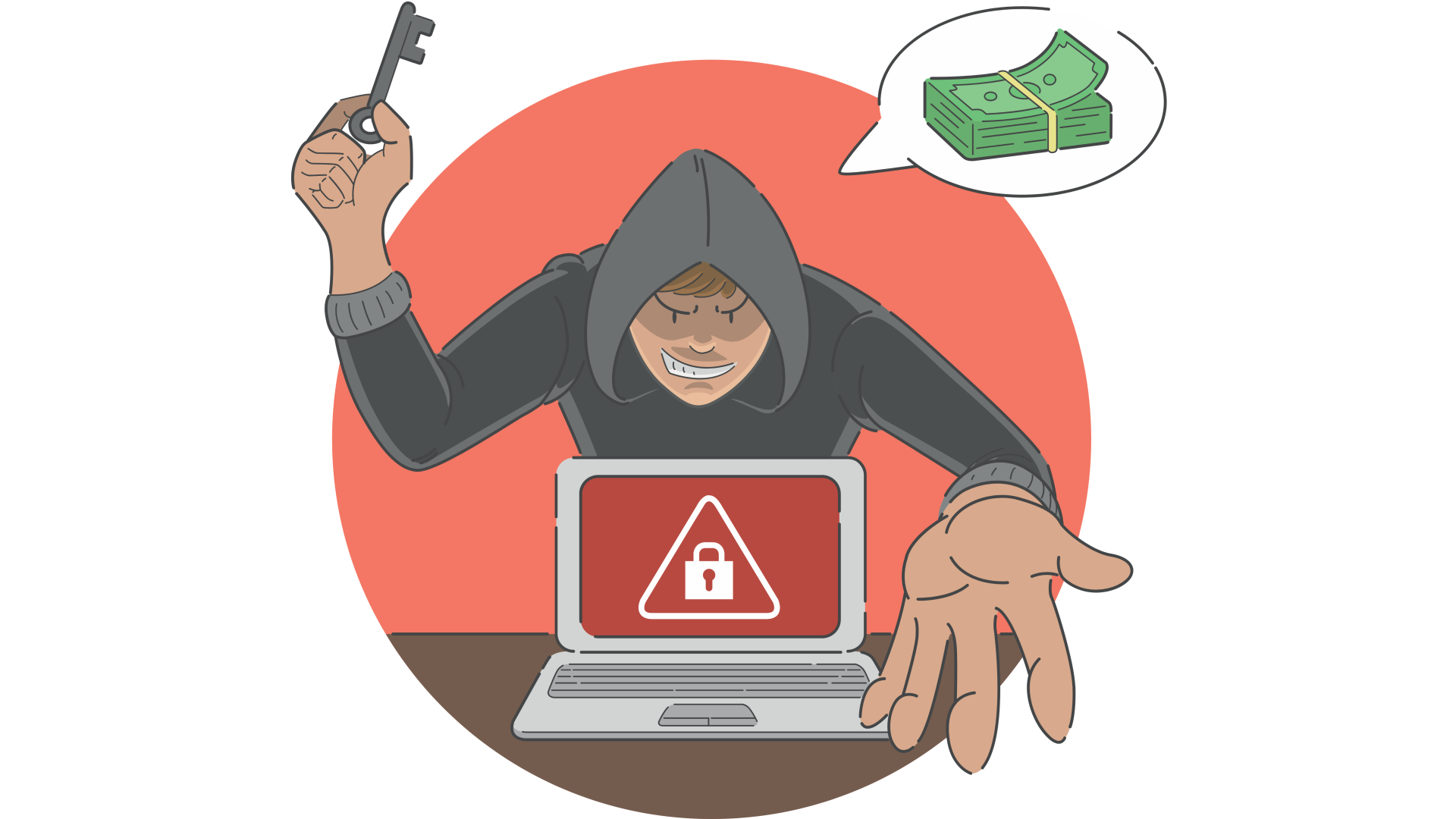
Double Extortion
Ransomware attacks are no longer limited to encrypting data. Many groups now engage in double extortion, where attackers:
- Encrypt the victim’s files, rendering them inaccessible.
- Steal sensitive data and threaten to release it publicly unless a ransom is paid.
This tactic increases pressure on victims, as they face not only operational disruption but also reputational and legal risks if their data is leaked.
Targeting Critical Infrastructure
Ransomware groups have shifted their focus from individual users to large organisations and critical infrastructure. Examples include:
Colonial Pipeline (2021): An attack on the largest fuel pipeline in the U.S. caused fuel shortages and highlighted the vulnerabilities of critical systems.
Healthcare and Hospitals: Cybercriminals target healthcare facilities, where disruptions can have life-or-death consequences, increasing the likelihood of ransom payments.
Such attacks demonstrate the growing ambition and sophistication of ransomware actors.
AI and Automation
Modern ransomware groups leverage artificial intelligence (AI) and automation to make their attacks more efficient and harder to detect:
Automated Phishing Campaigns: AI generates highly personalised phishing emails, increasing the success rate of attacks.
Adaptive Malware: Ransomware can adapt its behavior to evade detection by antivirus software and endpoint security tools.

Focus on Supply Chain Attacks
Instead of targeting individual organisations, attackers now infiltrate software vendors or service providers, using their systems as a launchpad to distribute ransomware to multiple victims. Examples include:
Kaseya Attack (2021): A ransomware attack on Kaseya affected hundreds of businesses downstream.
Third-Party Vulnerabilities: Attackers exploit weaknesses in supply chain vendors to gain access to high-value targets.
Ransom Demands and Payment Trends
Ransom demands have skyrocketed, with attackers increasingly targeting organisations that can afford multi-million-dollar payments. Trends include:
Negotiation Platforms: Ransomware groups set up professional-looking websites for ransom negotiations.
Escrow Services: Criminals offer escrow services to "ensure" decryption keys are provided after payment.
How to Mitigate Ransomware Risks
1. Employee Training
- Conduct regular phishing awareness training to reduce the risk of social engineering attacks.
- Simulate phishing attacks to test and improve employee vigilance.
2. Robust Backup Strategy
- Maintain offline, air-gapped backups of critical data.
- Regularly test the integrity and accessibility of backups.
3. Advanced Endpoint Protection
- Deploy endpoint detection and response (EDR) tools to monitor and respond to suspicious activity.
- Implement AI-powered threat detection for proactive defense.
4. Zero Trust Architecture
- Enforce the principle of "never trust, always verify" for all users and devices.
- Use multi-factor authentication (MFA) to secure access to systems and applications.
5. Network Segmentation
- Divide networks into smaller, isolated segments to limit the spread of ransomware.
- Restrict access to sensitive systems based on the principle of least privilege.
6. Regular Patching and Updates
- Apply security patches promptly to close vulnerabilities.
- Use automated tools to identify and remediate outdated software.
7. Threat Intelligence Sharing
- Collaborate with industry peers and law enforcement to stay updated on emerging threats and tactics.
The Future of Ransomware
Conclusion

WhatsApp/Call: +61 452 681 801
Student Support Contact: 08 9589 9504